Computing Power Era: How Reliable Backup Power Enables AI Infrastructure
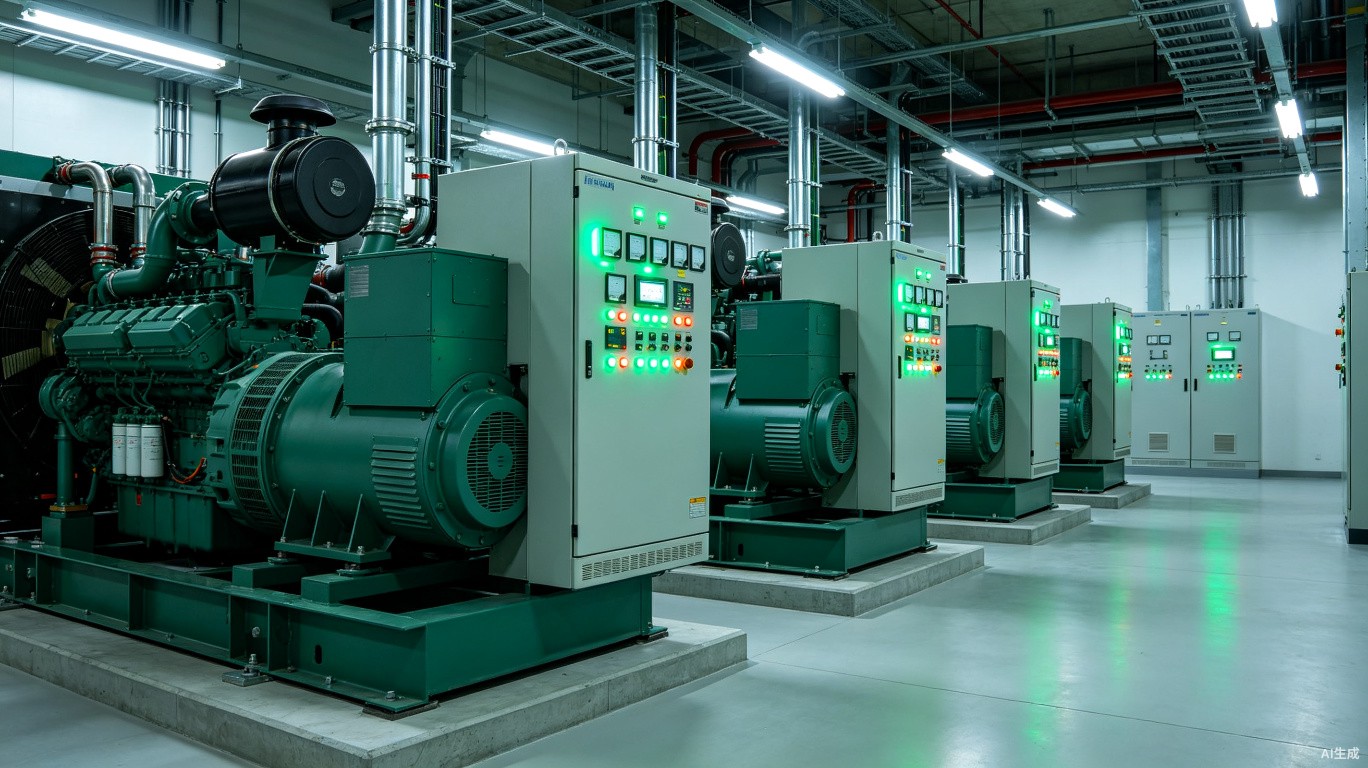
Computing power has become the defining resource of the modern economy. Just as oil fueled the industrial age, computing power now drives the AI age, and the infrastructure that supports it has taken on strategic importance. At the foundation of this infrastructure lies a resource that is often overlooked until it fails: reliable electrical power.
AI training workloads are among the most power-intensive computing applications ever developed. A single large language model training run can consume megawatt-hours of electricity over weeks of continuous operation. When such workloads are interrupted by power outages, the consequences extend far beyond temporary downtime. Incomplete training runs can corrupt model states, resulting in days or weeks of lost computational work and significant financial cost. For this reason, AI infrastructure operators treat power reliability not as an operational concern but as a core design parameter.
Backup power systems serve three essential functions in AI infrastructure. First, they provide continuous power during utility outages, ensuring that training and inference workloads proceed without interruption. Second, they support orderly shutdown procedures when extended outages occur, protecting expensive GPU and accelerator hardware from damage caused by abrupt power loss. Third, in facilities with on-site power generation, backup systems can participate in peak shaving and demand response programs, reducing operational costs.
The technical requirements for backup power in AI facilities are demanding. Generator sets must be capable of starting and reaching full load within 10 to 30 seconds, requiring robust starting systems and optimized engine configurations. Automatic transfer switches must operate with transfer times of 100 milliseconds or less to prevent disruption to UPS systems. Power conditioning equipment must handle the high harmonic content generated by server power supplies, particularly under partial load conditions.
For equipment suppliers, these requirements translate into a need for rigorous engineering and testing. SPM's approach includes full-load testing of every generator set before shipment, standardized CB-class ATS with break-before-make logic for safety, and integrated power system packages that have been validated as complete units. As the computing power era continues to unfold, the partnership between AI infrastructure operators and power equipment suppliers will only grow in importance.
Interested in this topic?
Contact us for professional advice and customized solutions.
More News
SPM Delivers 270+ High-Power Generator Sets in 2025, Setting New Company Record
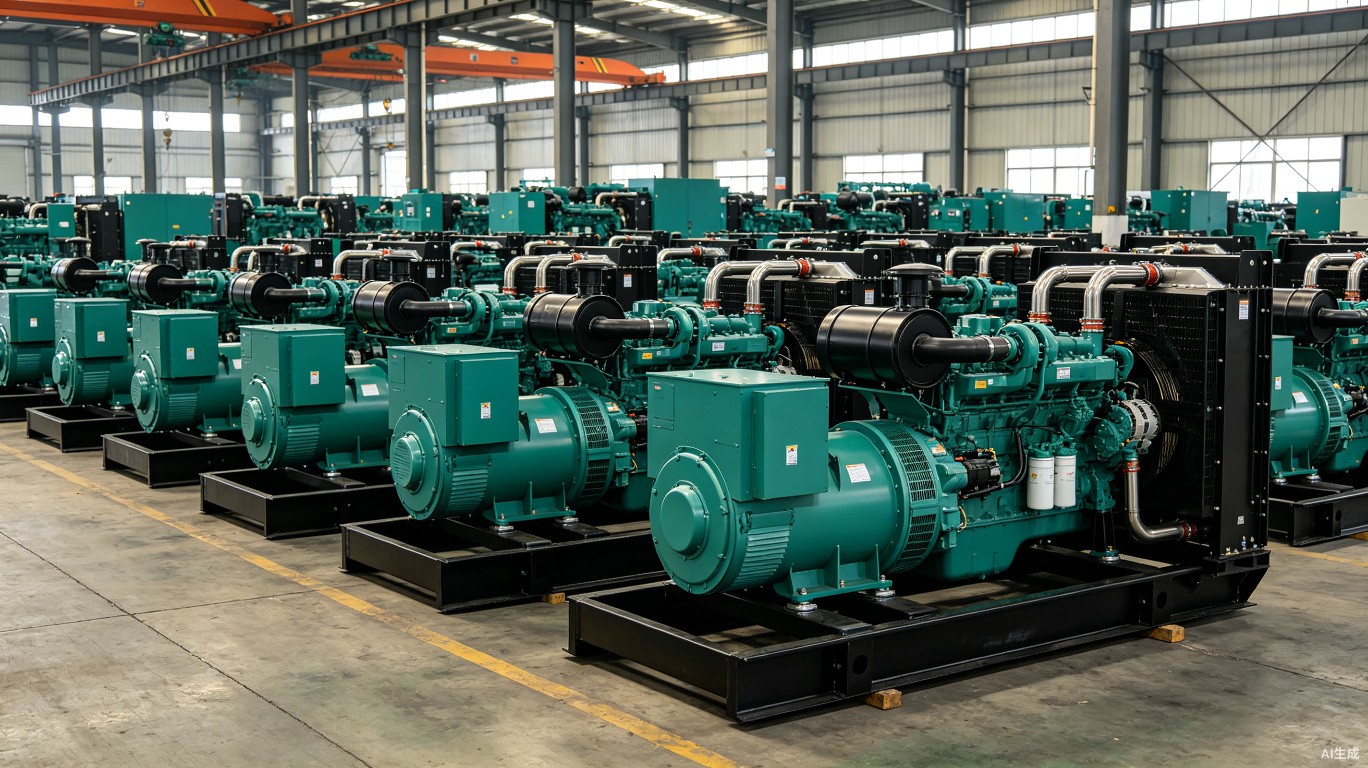
SPM Technology Development completed delivery of over 270 high-power diesel generator sets in 2025, primarily ranging from 1000kW to 3000kW, supplied to data center and industrial projects across the US, Middle East, and Southeast Asia.
Global Data Center Power Demand Surges: What It Means for Backup Power Solutions
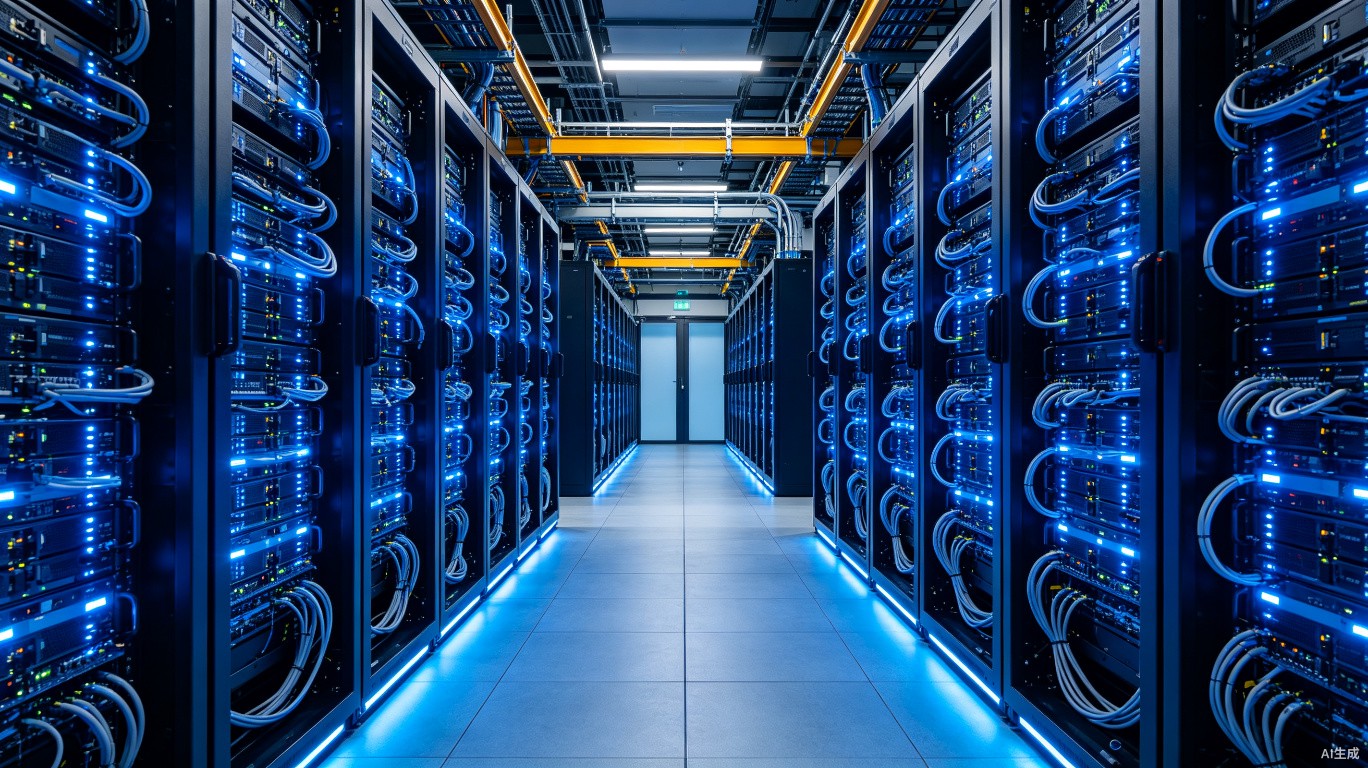
The global demand for data center capacity continues its rapid expansion, driven by AI workloads, cloud computing growth, and digital transformation. This surge brings renewed attention to the critical role of reliable backup power systems.