The Rise of Edge Computing: Distributed Power Solutions for Edge Data Centers
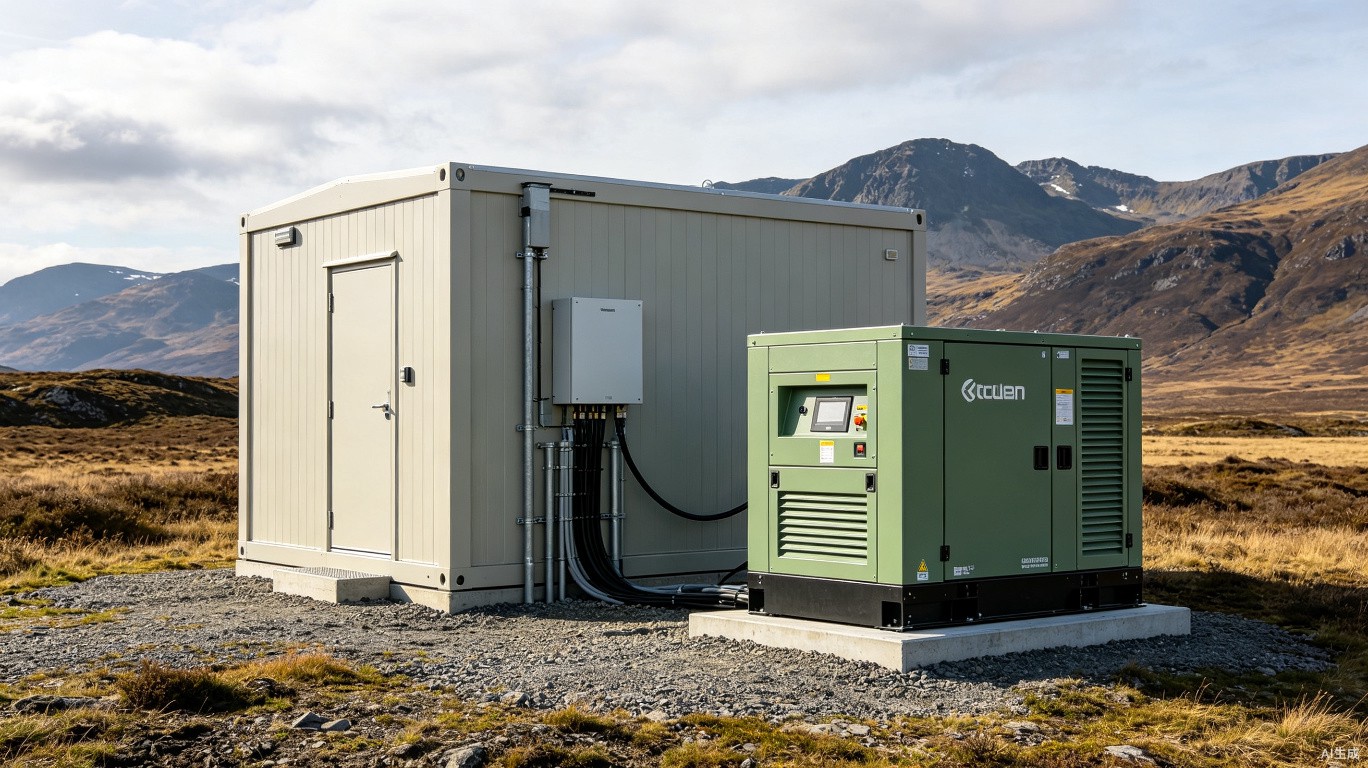
Edge computing has emerged as one of the most significant trends in the data center industry, driven by the growth of 5G networks, autonomous vehicles, industrial IoT, and real-time AI applications that require processing closer to the point of data generation. Unlike hyperscale data centers that concentrate massive computing power in a single location, edge computing distributes smaller facilities across a wide geographic area, creating a fundamentally different set of power infrastructure requirements.
The typical edge data center ranges from 50 to 500 kilowatts in capacity, housed in facilities that may be as small as a modified shipping container. These sites are often located in areas with limited electrical infrastructure, unreliable grid power, or no grid access at all. For such installations, backup power is not merely a regulatory requirement, it is often the primary or sole power source during extended periods. This demands generator sets that are compact, fuel-efficient, capable of unattended operation, and rugged enough to operate in environments without dedicated technical staff on site.
The distributed nature of edge computing also creates unique challenges for power system management. A single operator may manage dozens or hundreds of edge sites, making remote monitoring and predictive maintenance essential rather than optional. Generator sets must be equipped with IoT-enabled controllers that report status, fuel levels, and fault conditions to a central management platform. When a fault occurs at a remote site, the system must be able to diagnose the issue and dispatch the appropriate technician with the correct parts, minimizing costly site visits.
SPM Technology Development has responded to these requirements with a range of compact generator sets designed specifically for edge applications. The company's edge-optimized units range from 50kW to 500kW and feature integrated fuel tanks, weatherproof enclosures, and remote monitoring as standard equipment. For operators managing distributed networks, SPM offers a cloud-based management platform that aggregates data from all connected generators, providing fleet-level visibility and automated maintenance scheduling.
As edge computing continues to expand, the demand for distributed power solutions is expected to grow at over 20% annually through 2030. Equipment suppliers who can deliver reliable, remotely managed power systems at scale will be well positioned to serve this emerging market segment, which combines the reliability requirements of traditional data centers with the logistical challenges of distributed telecommunications infrastructure.
Interested in this topic?
Contact us for professional advice and customized solutions.
More News
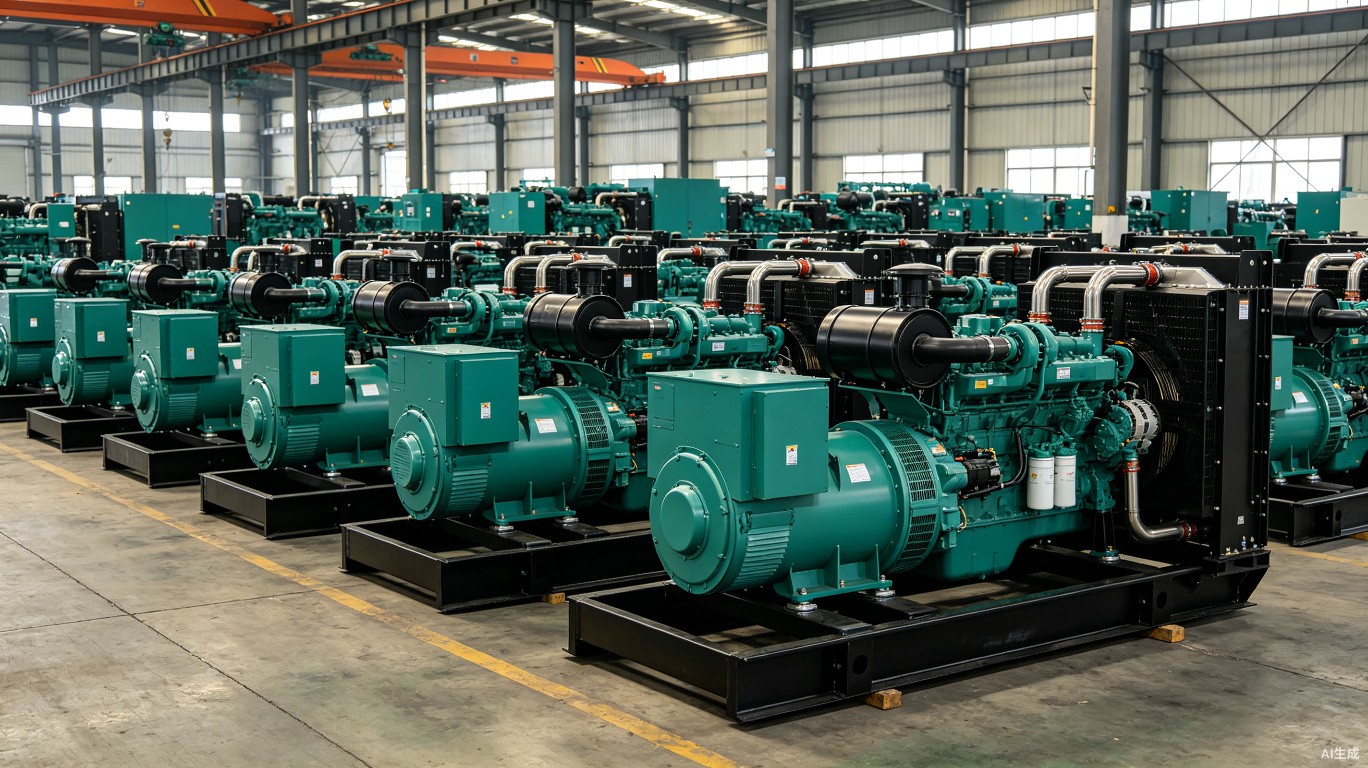
SPM Delivers 270+ High-Power Generator Sets in 2025, Setting New Company Record
SPM Technology Development completed delivery of over 270 high-power diesel generator sets in 2025, primarily ranging from 1000kW to 3000kW, supplied to data center and industrial projects across the US, Middle East, and Southeast Asia.
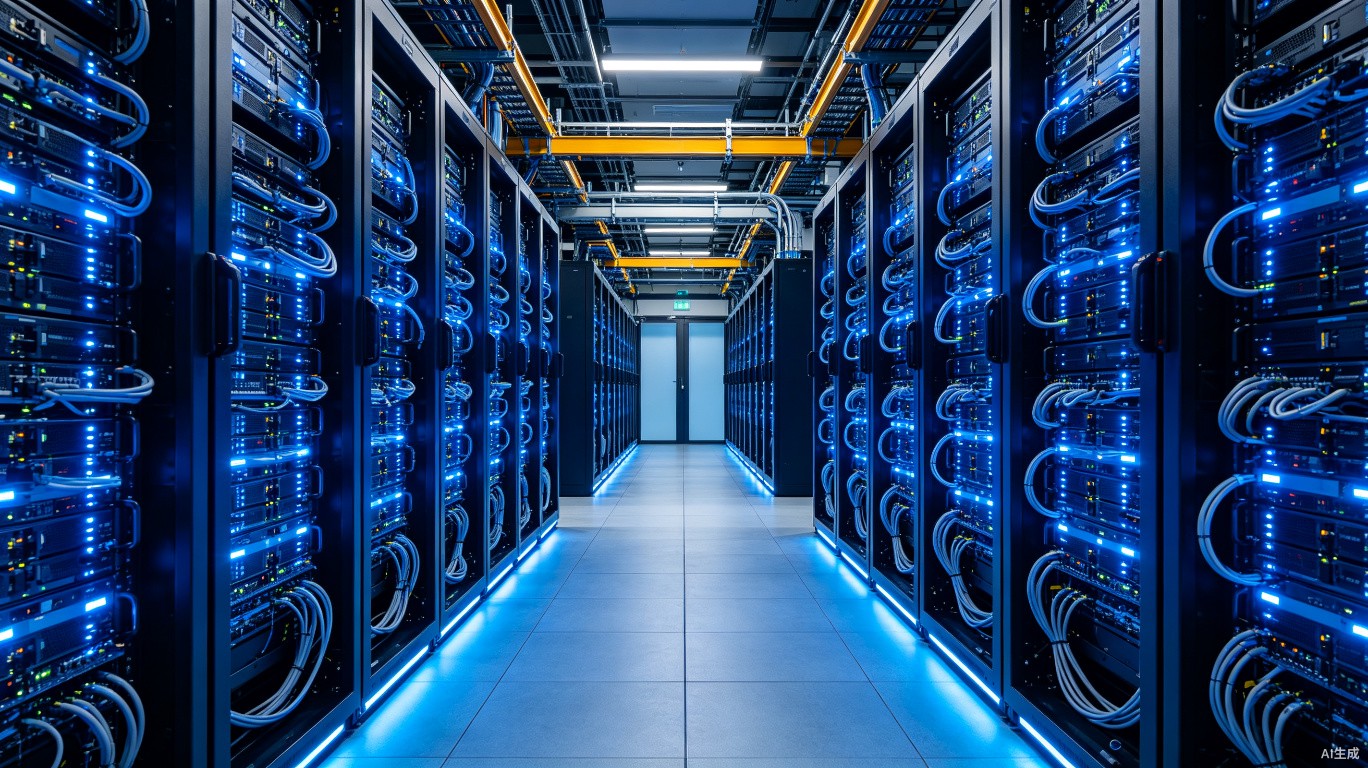
Global Data Center Power Demand Surges: What It Means for Backup Power Solutions
The global demand for data center capacity continues its rapid expansion, driven by AI workloads, cloud computing growth, and digital transformation. This surge brings renewed attention to the critical role of reliable backup power systems.